
Project AUB001
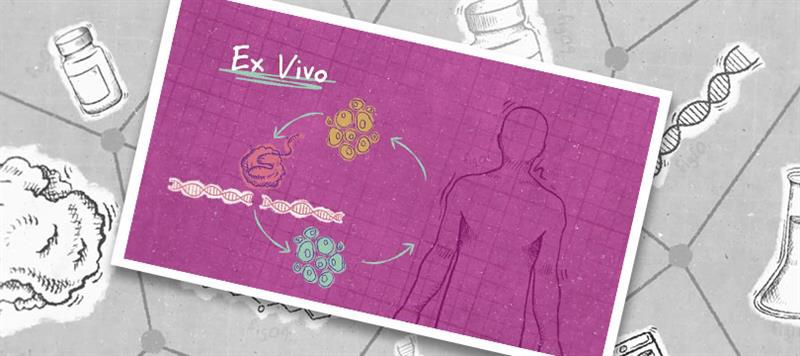
Longterm Follow-up of Subjects With Diabetes 2 Type Treatment With ex Vivo Gene Therapy (AUB001), ClinicalTrials.gov Identifier: NCT04642911.
This is a multicenter, long term safety and efficacy follow up study for with insulin dependent diabetes 2 type who have been treated with ex vivo gene therapy product in Ukraine Association of Biobank bio-sponsored clinical studies. After completing the parent clinical study (2 years),eligible subjects will be followed for an additional 8 years for total 10 years post-drug product infusion.
No investigation drug product will be administered in the study.
he Aim of the Study: is to focus on mitochondrial dysfunction, in the context of NASH, mitochondrial function in stem cells is likely to be impaired. Materials and Methods: Mesenchymal stem cell separated of peripheral blood from diabetes 2 type patients was collected in the context of a clinical protocol authorized by the local Ethics Committee of Ukraine Association of Bio-bank (Ukraine), with a license from the Ministry of Health of Ukraine 04/10/2018 No1813 and 27/03/2019 No1231 by the national competent authority for biobank cord blood, cell and, tissue therapy. The study population (n = 196) was represented by diabetic patients from SI «ZIGUS NAMSU» in Kharkiv, Ukraine, and healthy volunteers. Patients were divided into two groups: group I consisted of patients with diabetes 2 type, group II – patients with DT2 complicated course of NASH.
The health of patients strongly affects the status of MSCs. Those cells isolated from patients with type 2 diabetes (TD2) or from patients with TD2 accompanied by the NASH have the increased incidence of apoptosis, autophagy, accumulation of free radical molecules, and mitochondria deterioration. The mitochondrial membrane potential observed in these cells may be a protective mechanism that provides energy and building blocks to restore cellular homeostasis and control oxidative damage. Based on presented data, our conclusion is that crucial metabolic aspects of TD2 are indeed recapitulated at the systemic level and perspective therapeutic application of MSC isolated from TD2 patients may be limited due to their dysfunctionality.